Is Your Small Business Too Small to Be Targeted? 7 Cybersecurity Myths Busted
- Jonathan Sansone
- Jan 1
- 6 min read
If you're running a small business in Hampton Roads, cybersecurity can feel overwhelming: especially when you're juggling everything from customer service to payroll. You've probably heard conflicting advice about what you actually need to protect your business, and it's easy to feel like cybersecurity is either "too complicated" or "not really necessary for a business our size."
The truth? Small businesses face unique cybersecurity challenges that many owners don't fully understand. Let's clear up seven of the most dangerous myths that could be putting your Virginia Beach or Hampton Roads business at risk.
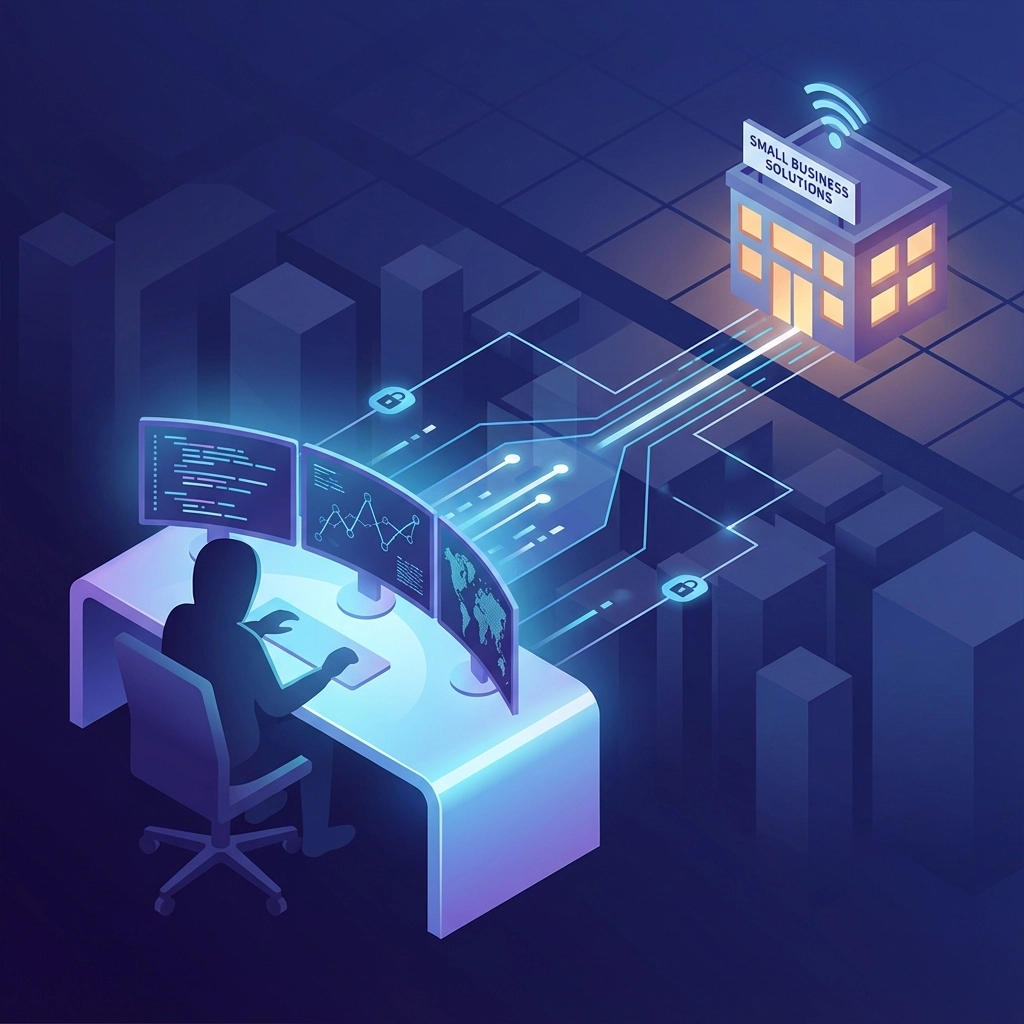
Myth #1: "We're Too Small to Be Targeted"
This is probably the most dangerous myth out there. Cybercriminals don't care if you have 5 employees or 500: they care about easy targets. According to recent data, 43% of cyberattacks specifically target small businesses, and the numbers keep climbing.
Think of it this way: if you were a burglar, would you rather break into a house with a sophisticated alarm system and security cameras, or one with just a basic lock? Small businesses often have fewer security measures in place, making them attractive targets for cybercriminals looking for quick wins.
In Hampton Roads, we've seen local businesses: from real estate offices to nonprofit organizations: face everything from ransomware to email compromise. Size doesn't provide protection; preparation does.
Myth #2: "Antivirus Software is All We Need"
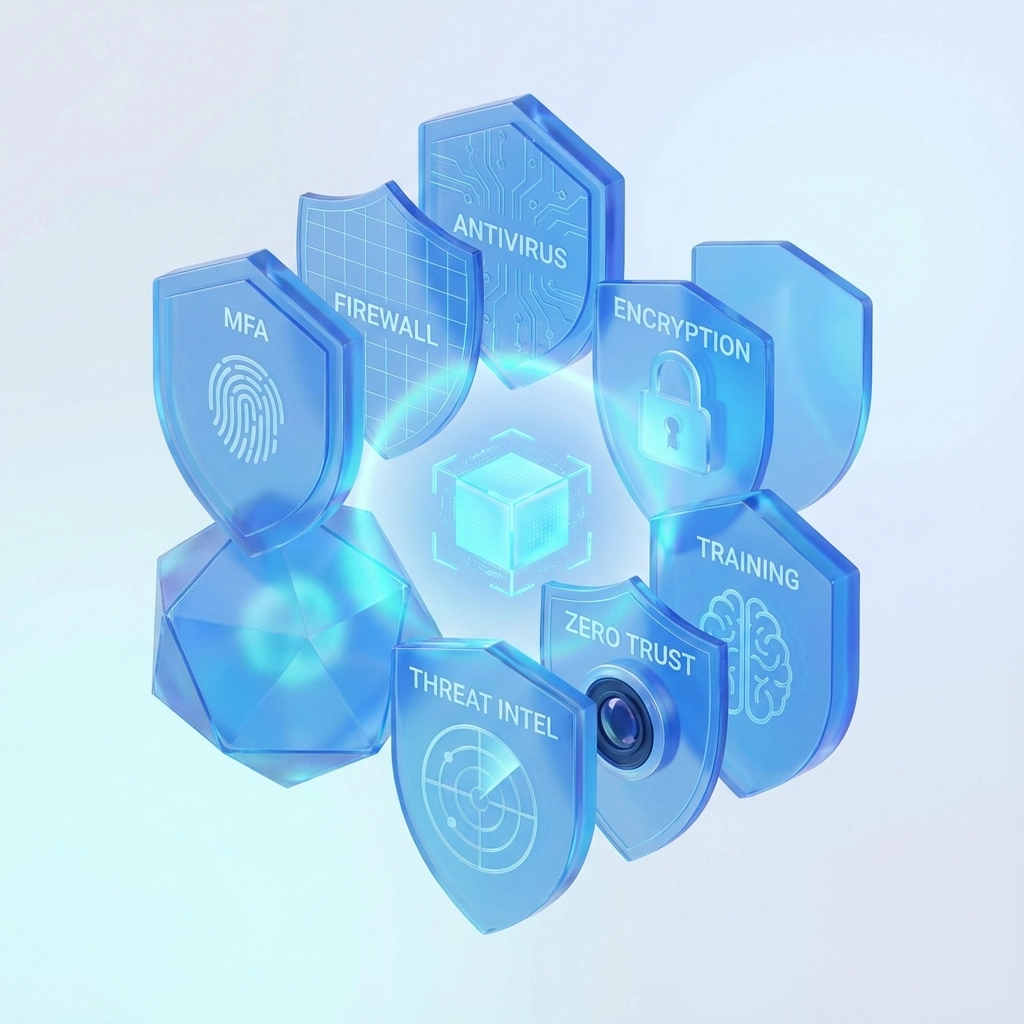
Antivirus software is like having a good lock on your front door: it's essential, but it won't stop someone from coming in through an unlocked window. Modern cyber threats have evolved far beyond simple viruses.
Today's attackers use sophisticated methods like:
Phishing emails that look legitimate but steal login credentials
Ransomware that encrypts your files and demands payment
Social engineering that tricks employees into giving away sensitive information
Zero-day attacks that exploit vulnerabilities before they're even discovered
Your antivirus might catch some of these, but it can't protect against an employee accidentally giving away their password or clicking on a convincing fake invoice.
Myth #3: "Cybersecurity is Too Expensive for Small Businesses"
Here's a reality check: the median cost of a ransomware attack on a small business ranges between $1 and $2.25 million. Even more sobering? About 60% of small businesses that experience a significant cyberattack close their doors within six months.
Compare that to basic cybersecurity measures, which can cost less than your monthly coffee budget. Simple steps like employee training, password management tools, and regular backups can prevent most common attacks without breaking the bank.
Think of cybersecurity like insurance: you hope you never need it, but when you do, you'll be grateful you invested in it.
Myth #4: "Our Employees Aren't a Security Risk"
Your employees are probably your greatest asset, but they're also your biggest cybersecurity vulnerability: and that's not their fault. Human error plays a role in about 74% of all data breaches, but this doesn't mean your team is careless or incompetent.
The problem is that cybercriminals have become incredibly sophisticated at targeting employees. They'll research your company on LinkedIn, craft personalized phishing emails that mention recent projects or coworkers, and create fake websites that look exactly like the real thing.
Small business employees actually face 350% more social engineering attempts than employees at larger companies. Without proper training, even the most careful person can fall for these increasingly clever tricks.
Myth #5: "Firewalls Will Keep Us Safe"
Firewalls are excellent at keeping bad actors from directly accessing your network, but they can't protect against threats that come through legitimate channels. If an employee clicks on a malicious link in an email or downloads infected software, that threat is already inside your firewall.
Think of a firewall like a fence around your property: it keeps most intruders out, but it won't stop someone who walks through your front gate with an invitation. Modern cybersecurity requires multiple layers of protection, not just a single barrier.
Myth #6: "Cybersecurity is a One-Time Setup"
This might be the most expensive myth on our list. Cybersecurity isn't like installing a new roof: it's more like maintaining a garden. It requires ongoing attention, regular updates, and constant vigilance.
New threats emerge daily, software needs regular updates, and employees need refresher training. What worked to protect your business last year might not be sufficient today. Cybercriminals constantly develop new techniques, which means your defenses need to evolve too.
Regular maintenance includes updating software, reviewing access permissions, monitoring for unusual activity, and staying informed about new threats affecting businesses like yours.
Myth #7: "Cybersecurity is Just an IT Problem"
If cybersecurity were only an IT problem, we wouldn't see so many successful phishing attacks and social engineering schemes. The reality is that cybersecurity is everyone's responsibility, from the front desk to the C-suite.
Your IT person (whether that's an employee, contractor, or managed service provider) can set up technical defenses, but they can't control whether someone clicks on a suspicious link or shares their password with a convincing caller claiming to be from tech support.
Effective cybersecurity requires a company-wide culture where everyone understands their role in keeping the business safe.
The Email and Account Takeover Reality
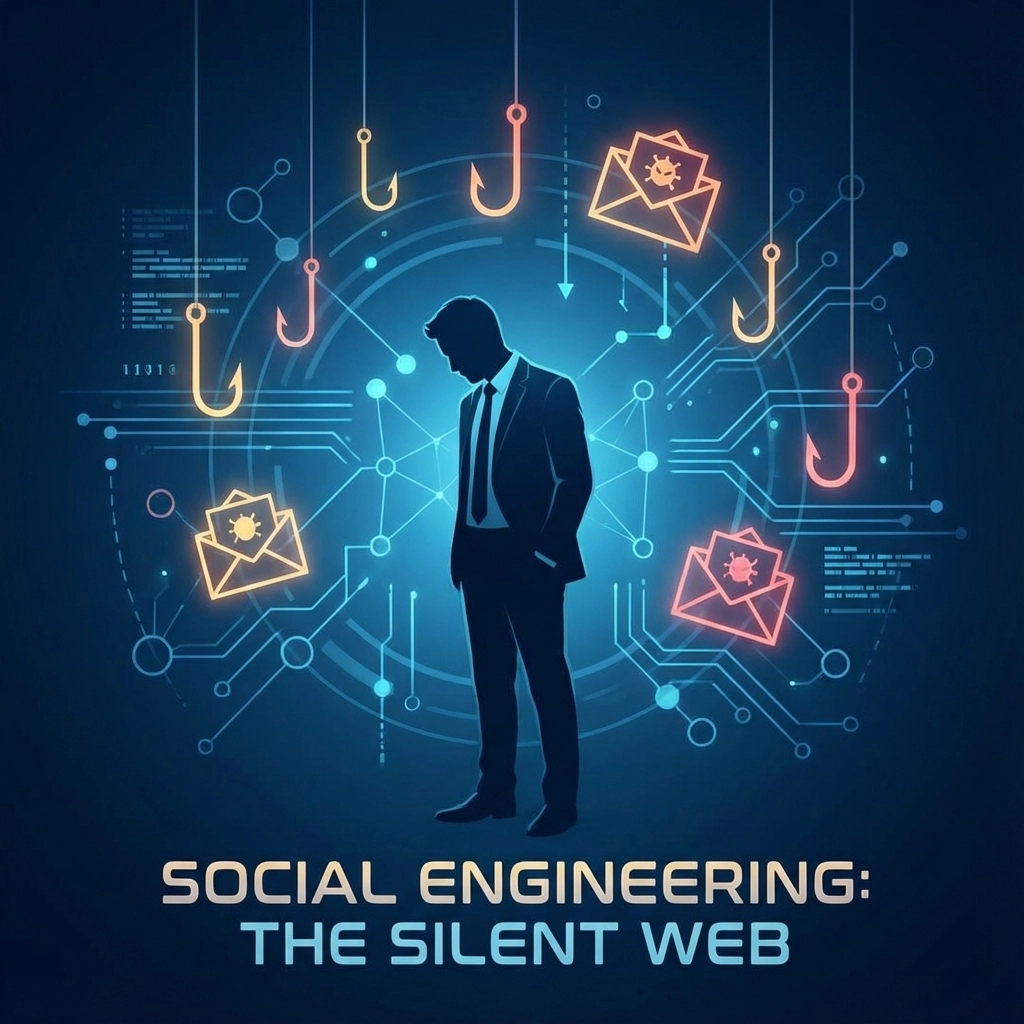
Let's talk about one of the most common threats facing small businesses: email compromise. This happens when cybercriminals gain access to an employee's email account and use it to conduct business email compromise (BEC) attacks.
Here's how it typically works: an attacker gains access to an employee's email (often through a phishing attack or weak password). Once inside, they monitor email patterns and relationships, then send convincing requests for money transfers, invoice changes, or sensitive information to other employees, customers, or vendors.
These attacks are particularly dangerous because the emails come from legitimate accounts and often reference real projects, relationships, and business processes. A typical scenario might involve a "CFO" emailing the accounting department requesting an urgent wire transfer for a "confidential acquisition," or a "project manager" asking a client to send payments to a new bank account.
Key warning signs include:
Urgent requests for money transfers or sensitive information
Unusual language or grammar from familiar contacts
Requests to change payment information or banking details
Pressure to act quickly without verification
Basic protection steps:
Implement two-factor authentication on all email accounts
Establish verification procedures for any financial requests
Train employees to recognize social engineering tactics
Regularly review and update access permissions
Your Small Business Cybersecurity Checklist
Here's a practical checklist you can start implementing today:
Immediate Actions (This Week):
Enable two-factor authentication on all business email accounts
Update all software and operating systems
Review who has access to what systems and accounts
Set up automatic backups for critical business data
Short-Term Goals (Next 30 Days):
Implement a password management tool for your team
Conduct basic cybersecurity training for all employees
Create a written incident response plan
Review and update your cyber insurance coverage
Ongoing Maintenance (Monthly):
Review access permissions and remove unnecessary accounts
Test your backups to ensure they're working properly
Stay informed about new threats affecting small businesses
Conduct brief security refresher training with your team
Quarterly Reviews:
Assess your overall security posture
Update your incident response plan
Review and update employee cybersecurity training
Evaluate new security tools or services that might benefit your business
How VaBeachTech Can Help
At VaBeachTech, we understand that small businesses in Hampton Roads face unique challenges when it comes to cybersecurity. You need protection that's effective but not overwhelming, comprehensive but not expensive, and managed by people who understand your business environment.
We work with businesses throughout Virginia Beach, Chesapeake, Hampton, Newport News, and the broader Hampton Roads area to implement practical cybersecurity solutions that fit your budget and business needs. Whether you need help with employee training, setting up proper backups, implementing email security, or developing a comprehensive security strategy, we're here to help you navigate these challenges without the technical jargon or intimidating sales pitches.
Our approach is straightforward: we assess your current situation, identify your biggest risks, and work with you to implement solutions that make sense for your business. We believe that good cybersecurity should give you peace of mind, not create more stress.
Ready to stop worrying about whether your business is properly protected? Book a Discovery Call and let's discuss how to build a cybersecurity strategy that works for your Hampton Roads business.
Comments